This can definitely be true and I personally find that the writing style of Clark's tutorials could use some polish -- his random switches between scientific and colloquial styles within a single tutorial can annoy both engineers and artists. I also heard that he does not like debate that he deems repetitive and is not be the friendliest opponent to his critics.
That said, the criticism above is very scarce on details. What exactly is the nonsense about mathematical concepts that he is objecting to? Roger's data describe his metrics, methodology, data and conclusions (not to the level required to publish in Nature, but better than most websites on the topic). One can argue with either or all of those, but such arguments should include the rigor at least to the level used on Clark's site.
That way we can understand what are some reasonable simplifications that are OK even if not strictly correct (e.g., when we tell middle school kids that equation x^2 = -1 has no solutions without into complex numbers or axioms of R) and which are genuine, major errors.
But the strongest argument going for Clark, IMO, is his stunning pictures. If his methods describe how he produced them, I am interested in reading more. My 2c, corrections welcome.
> That said, the criticism above is very scarce on details. What exactly is the nonsense about mathematical concepts that he is objecting to?
There are examples in the thread I linked to.
> But the strongest argument going for Clark, IMO, is his stunning pictures.
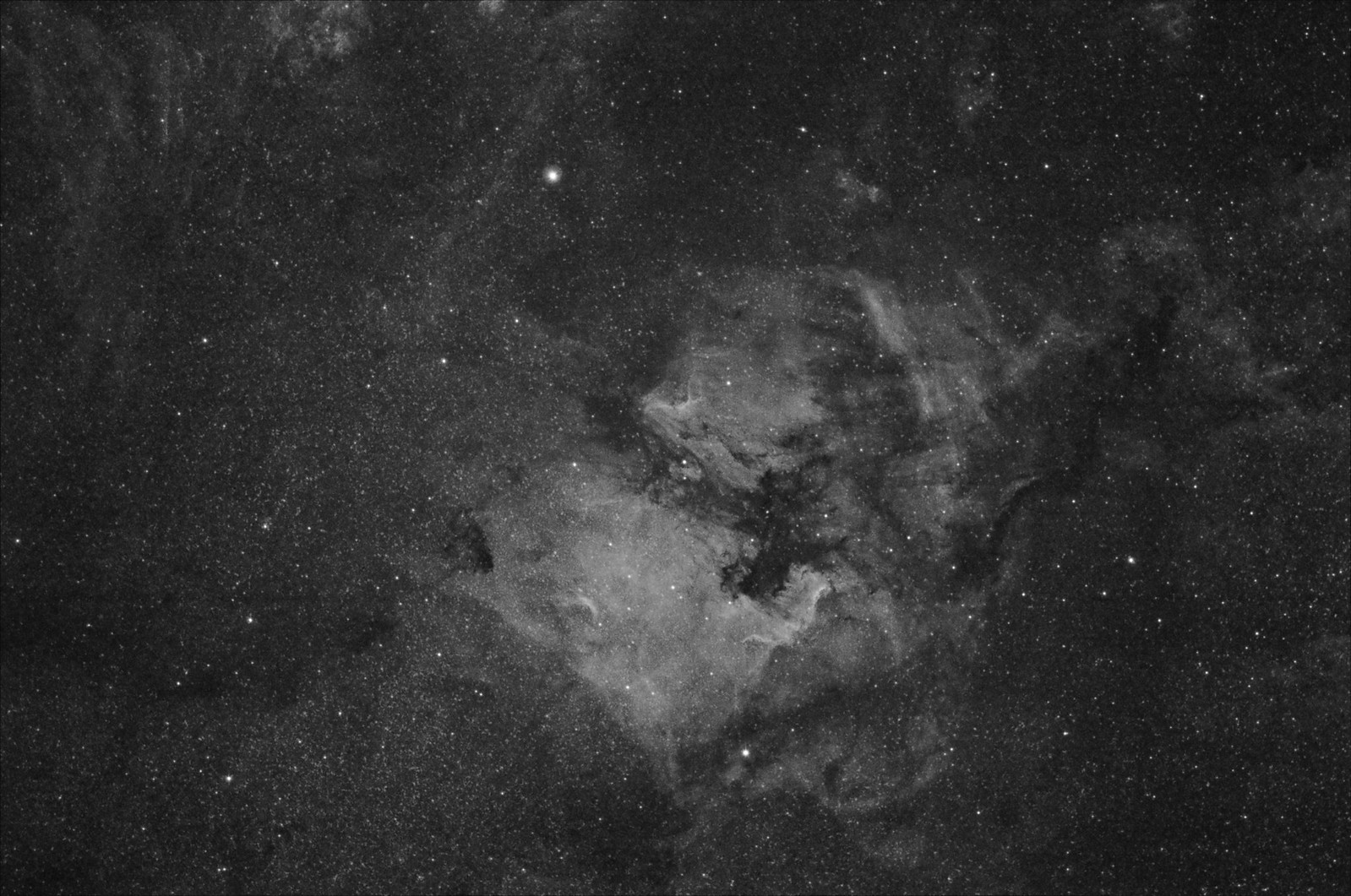
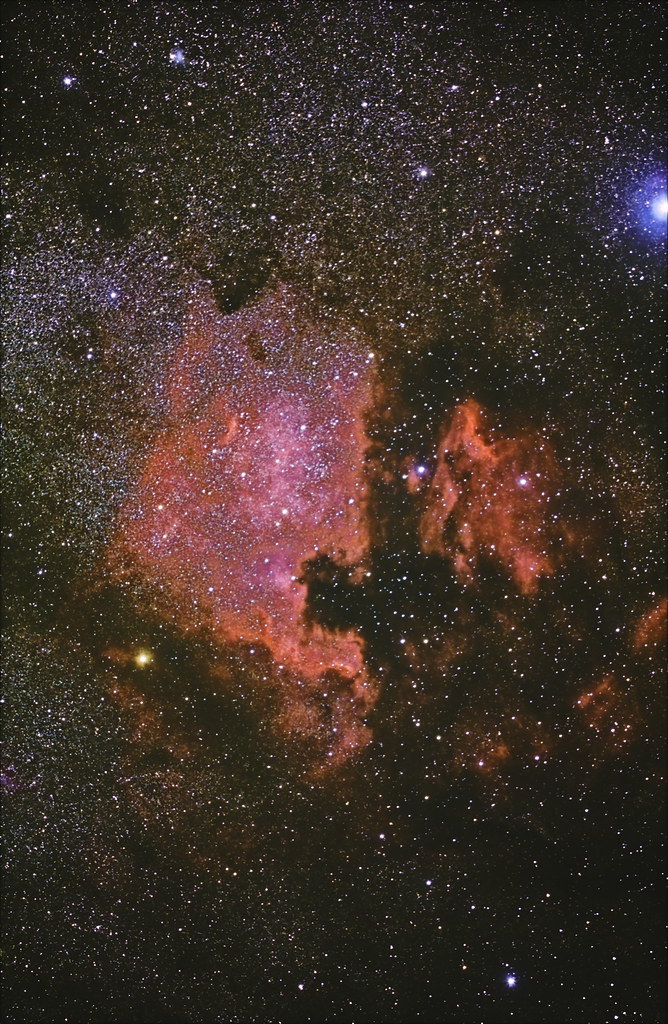
I've seen countless amateurs produce far better images with much cheaper equipment. He also misses the point of modding cameras, improving Ha sensitivity allows more structure to be captured. A case in point, this is my quick and cheap North America nebula with an old modded DSLR and Ha filter: https://c1.staticflickr.com/5/4490/37423232795_8a37a7ecbf_h....


That said, the criticism above is very scarce on details. What exactly is the nonsense about mathematical concepts that he is objecting to? Roger's data describe his metrics, methodology, data and conclusions (not to the level required to publish in Nature, but better than most websites on the topic). One can argue with either or all of those, but such arguments should include the rigor at least to the level used on Clark's site.
That way we can understand what are some reasonable simplifications that are OK even if not strictly correct (e.g., when we tell middle school kids that equation x^2 = -1 has no solutions without into complex numbers or axioms of R) and which are genuine, major errors.
But the strongest argument going for Clark, IMO, is his stunning pictures. If his methods describe how he produced them, I am interested in reading more. My 2c, corrections welcome.